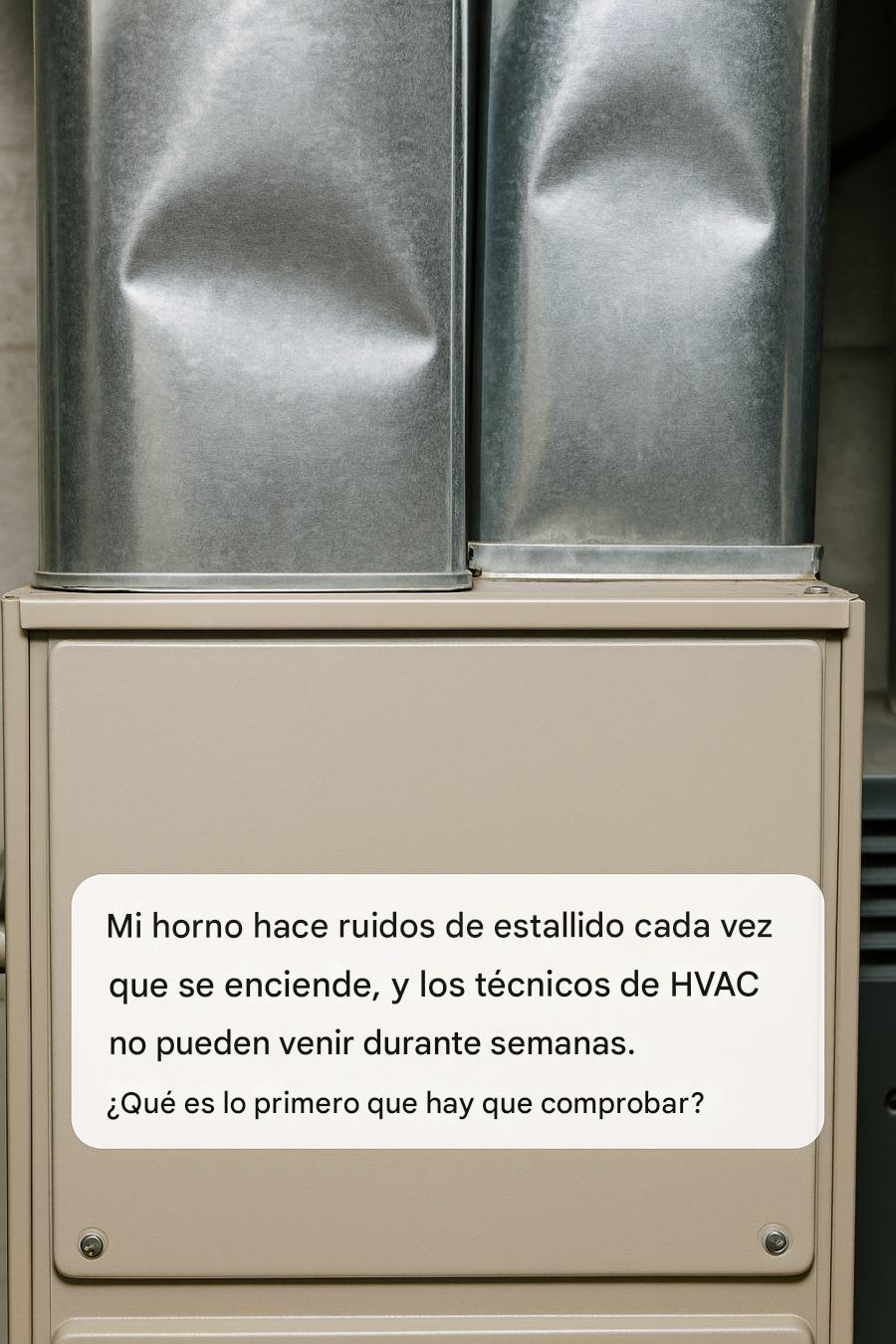
If the door moves noticeably, this could indicate negative pressure, where the air pressure inside your home is lower than outside. To alleviate this, ensure adequate ventilation by opening a window slightly or installing an air exchanger. Addressing negative pressure can help balance airflow and reduce stress on your ductwork.
10. Try The Viral Hack: Open A Few Extra Vents To Relieve Pressure
If your home has more supply vents than return vents, pressure imbalances can occur, leading to popping noises. A popular hack is to open a few extra supply vents to help balance the pressure in your duct system.
Walk through your home and identify any vents that are partially or fully closed. Open these vents to increase airflow, which can help reduce pressure build-up and minimize popping sounds. While this is a temporary solution, it can provide relief until professional HVAC assistance is available.
11. Note When The Pop Happens In The Startup Cycle
Pay attention to when the popping noise occurs during the furnace startup cycle. Does it happen immediately after the furnace turns on, or does it occur after a few minutes of operation? The timing can provide clues about the source of the noise.
If the noise occurs immediately, it may be related to the initial rush of air through the ducts. If it happens later, it could be due to thermal expansion as the ducts heat up. Documenting this information can be helpful for HVAC technicians when they investigate the issue further.
12. Record A Video And Document What You Find For The HVAC Tech
While waiting for professional help, record a video capturing the popping noise and the conditions under which it occurs. This documentation can be invaluable to HVAC technicians, providing them with a clearer understanding of the issue before they arrive.
Para conocer los tiempos de cocción completos, vaya a la página siguiente o abra el botón (>) y no olvide COMPARTIR con sus amigos de Facebook.