4. Inspect Supply Vents: Are Any Registers Closed Or Blocked?
Closed or blocked supply vents can lead to increased air pressure in the ductwork, which might cause popping noises. Walk through your home and ensure that all supply vents are open and unobstructed. Objects like furniture, curtains, or rugs should be moved away from vents to allow proper air circulation.
If you find any closed vents, open them to relieve pressure build-up. This could immediately reduce or eliminate the popping noise. Ensuring all vents are open and unblocked is a simple yet effective measure in maintaining optimal airflow and preventing duct noise.
5. Look For Crushed, Kinked, Or Disconnected Duct Runs
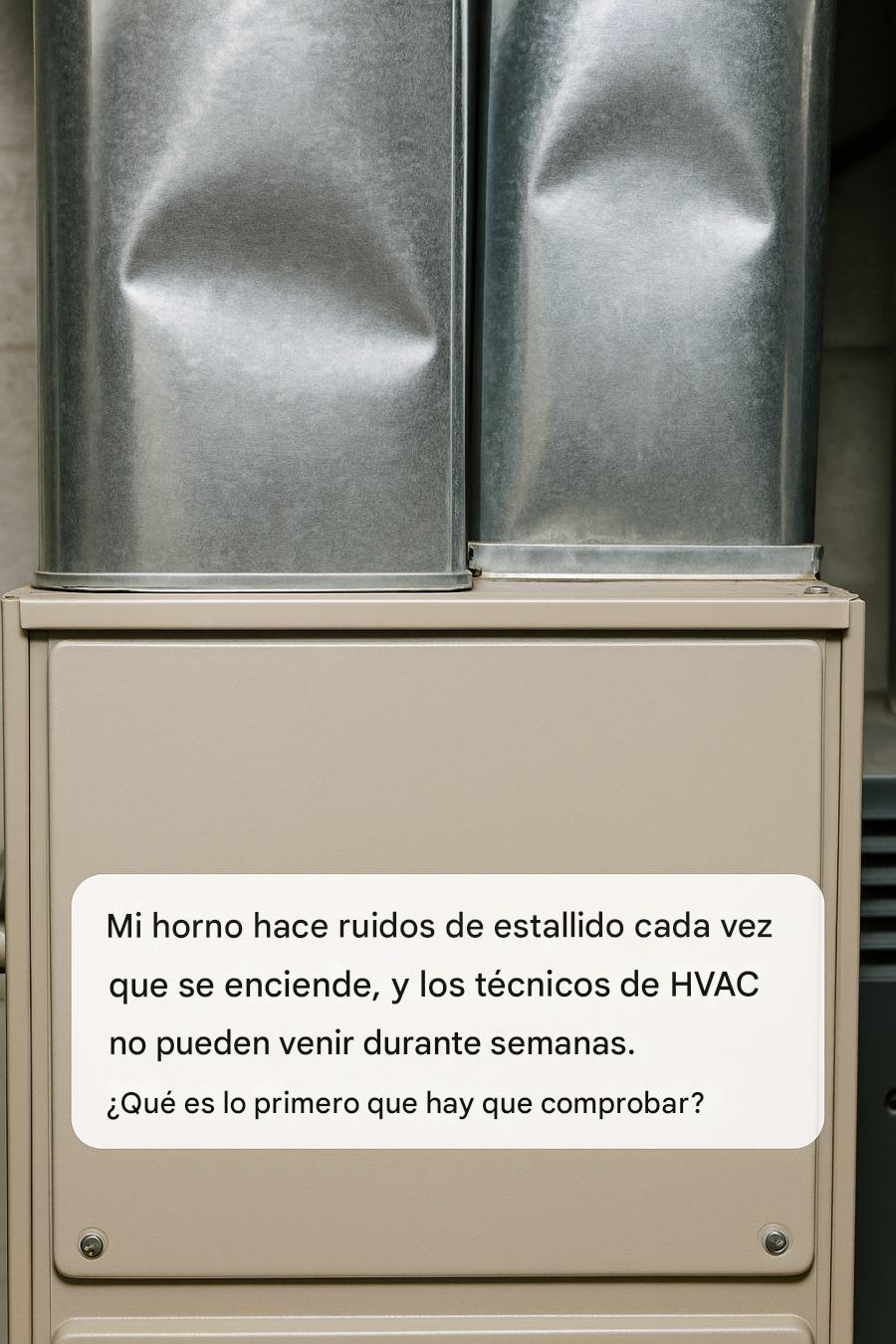
Inspect your ductwork for any visible signs of damage or disconnection. Crushed or kinked ducts can restrict airflow, leading to pressure changes that cause popping noises. Walk along the accessible areas of your ductwork and check for any flattened sections or kinks, particularly in flexible duct sections.
If you notice any disconnected ducts, try to reconnect them securely. In some cases, duct tape or duct clamps may be needed to secure the connection temporarily until a professional can assess the situation. Correcting these issues can improve airflow and reduce stress on the ductwork, potentially eliminating the popping sounds.
6. Find The Thinnest Metal Ducts Near The Furnace
Thinner metal ducts are more prone to expansion and contraction, which can cause popping noises. Locate the sections of ductwork closest to the furnace, as these are likely to experience the most significant temperature changes.
If you identify thin metal ducts, consider reinforcing them with additional insulation or adding support brackets to minimize movement. This can help reduce the noise caused by thermal expansion and contraction, providing a quieter operation until a more permanent solution can be implemented.
7. Check Filter First: A Clogged Filter Can Stress Ductwork
A clogged air filter can restrict airflow, causing the furnace to work harder to push air through the ducts. This increased pressure can lead to popping sounds as the ductwork expands and contracts. Locate your furnace filter, typically found near the return air duct or blower compartment, and remove it for inspection.
If the filter appears dirty or clogged, replace it with a new one. Furnace filters should be replaced every 1 to 3 months, depending on the type and usage. A clean filter will improve airflow and reduce stress on the system, potentially resolving the popping noise.
Para conocer los tiempos de cocción completos, vaya a la página siguiente o abra el botón (>) y no olvide COMPARTIR con sus amigos de Facebook.