1. Start With Safety: Turn Off Power And Fuel
Before you begin any inspection or maintenance work on your furnace, safety should be your top priority. Turn off your furnace's power by switching off the circuit breaker dedicated to it. This prevents any accidental electrical shock while you inspect the system. Additionally, if your furnace uses natural gas or propane, locate the gas valve and turn it off. This step is crucial to prevent any gas leaks or potential fires during your examination. If you smell any gas, evacuate your home immediately and contact the gas company.
Safety gear, such as gloves and safety goggles, should be worn when inspecting your furnace to protect your hands and eyes from dust, debris, and sharp edges. Ensuring a safe environment will allow you to focus on finding the source of the noise without the risk of injury.
2. Listen Closely: Confirm It’s A Duct Pop, Not A Burner Boom
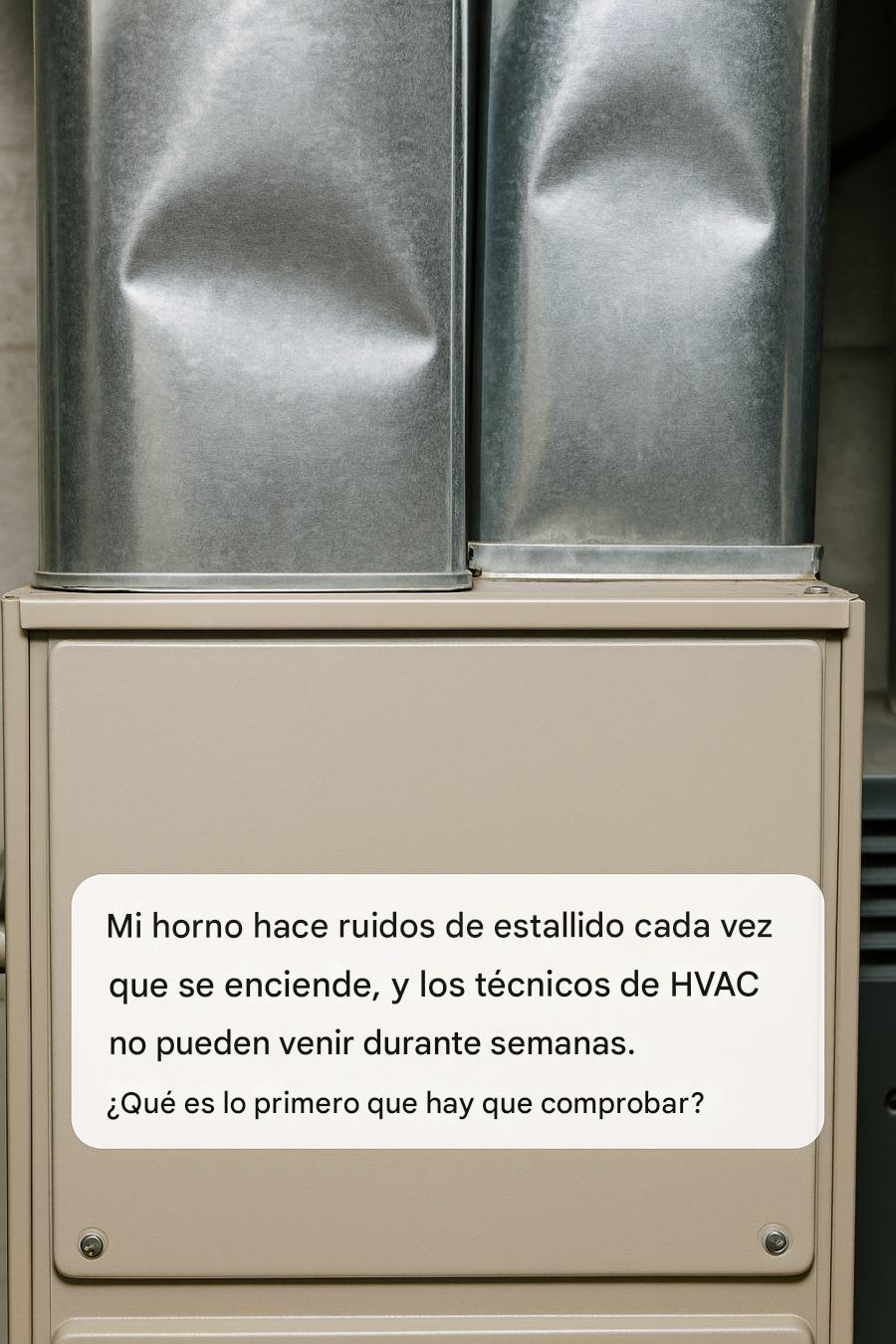
The first step in diagnosing the noise is to determine what type of sound it is. A popping noise can originate from the ductwork or the burner. If the noise seems to come from the ducts, it's likely due to metal expansion or contraction. Ducts can pop when the metal expands rapidly in response to hot air flow. However, if the noise is more of a boom, it could be related to the furnace burner, which may indicate delayed ignition.
To distinguish between them, try to listen closely when the furnace starts up. Duct pops are usually less loud and more of a quick pop, whereas a burner boom is more substantial and might be accompanied by a vibration. Identifying the sound can help you narrow down the issue and decide on the next steps.
3. Check The Thermostat’s Fan And Heat Settings
Sometimes, the cause of the popping noise can be as simple as incorrect thermostat settings. Check your thermostat to ensure that the fan is set to 'Auto' rather than 'On.' When set to 'On,' the fan runs continuously, which can cause extra stress on the ductwork, leading to popping sounds when it turns on and off.
Also, verify that the heat setting is appropriately adjusted. If the temperature setting is significantly higher than the current room temperature, the furnace may work harder than necessary, causing the ducts to expand and pop more noticeably. Adjusting these settings can sometimes resolve the issue without further intervention.
Para conocer los tiempos de cocción completos, vaya a la página siguiente o abra el botón (>) y no olvide COMPARTIR con sus amigos de Facebook.