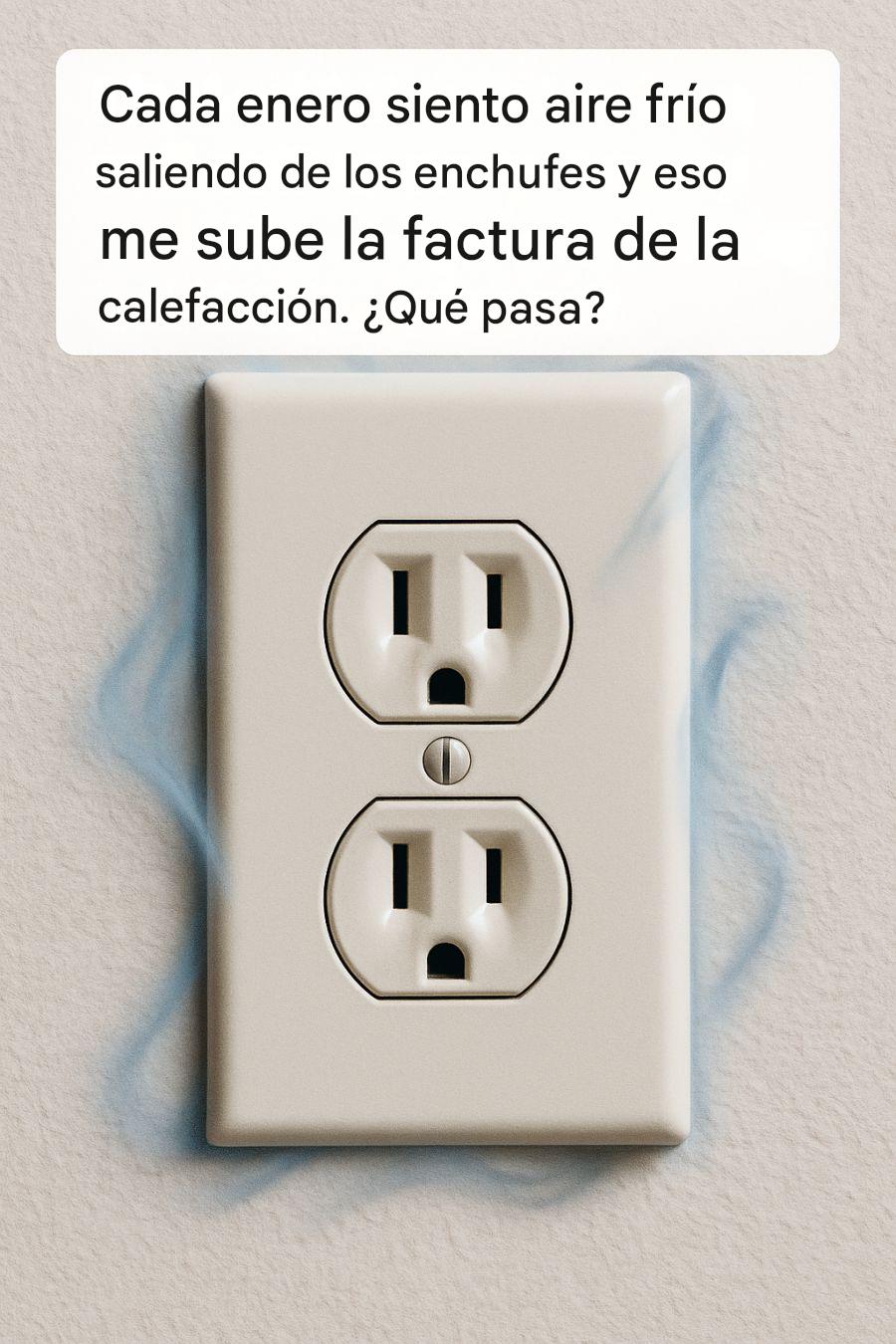
Every January, as temperatures plummet, many homeowners notice an uncomfortable phenomenon: cold air seeping through their wall outlets. This unexpected draft can lead to increased heating costs, as homes struggle to maintain a comfortable temperature. Understanding why this happens and how to address it can make a significant difference in both comfort and energy bills.
While it might seem odd that small outlets can have such an impact, the reality is that these seemingly minor leaks can cumulatively lead to significant energy loss. This article explores the reasons behind the chilly drafts from outlets and provides practical solutions to help keep your home warm and your heating bill in check.
Advertisement
1. Why Your Outlets Feel Like Mini Drafts in January
Wall outlets located on exterior walls often act as conduits for cold air, especially during the winter months. The primary reason is that these outlets are set within walls that are directly exposed to the outside environment, where cold air can easily infiltrate through gaps and cracks.
Moreover, outlets are often not well-insulated. When temperatures drop, the cold air outside finds its way through these unsealed openings, creating a mini draft effect. This is more pronounced in older homes where insulation standards were not as stringent, leading to more pronounced air leakage.
2. How Cold Air Sneaks In Through Exterior Walls
Exterior walls are the primary barrier between the warm interior of a home and the cold outside air. However, they can also be a weak point if not properly insulated. Cold air can infiltrate through tiny gaps and cracks in the building envelope, including around wall outlets.
In many cases, the electrical boxes housing outlets are not sealed against air infiltration. This allows cold air to travel through the wall cavity and into the home via the outlets, exacerbating the problem during cold months.
3. The Hidden Role of Poor Insulation Behind Your Outlets
Insulation plays a crucial role in maintaining a home's energy efficiency. Unfortunately, outlets are often overlooked during the insulation process, leaving them vulnerable to drafts. Poorly insulated exterior walls mean that any gaps around outlets become pathways for cold air to enter.
Without proper insulation behind the outlet boxes, the cold air can easily pass through, leading to noticeable drafts. This can be particularly evident in older homes where insulation has settled or deteriorated over time.
4. Air Leakage and the Stack Effect: Why Winter Makes It Worse
The stack effect is a phenomenon where warm air rises within a home, creating a pressure difference that pulls cold air in through lower openings, such as outlets. This effect is more pronounced during the winter when heating systems are working hard to maintain indoor temperatures.
This pressure difference increases the rate at which cold air is drawn into the home through any available openings, including wall outlets, exacerbating the drafty conditions and increasing heating costs.
5. Identifying Which Outlets Are Costing You the Most Heat
To identify problematic outlets, start by feeling for drafts around outlets on exterior walls, especially when it's windy outside. A simple test is to hold a lit incense stick near the outlet and watch for any movement of the smoke, indicating air movement.
Outlets on exterior walls are more likely to be significant sources of air leakage, but interior outlets can also contribute if they are not properly sealed. Pay attention to areas that feel colder than others, as these may indicate more significant air infiltration.
Para conocer los tiempos de cocción completos, vaya a la página siguiente o abra el botón (>) y no olvide COMPARTIR con sus amigos de Facebook.